The useful starting point
Keep identification, method, location coverage, local approvals and unresolved questions in one factual property file without turning it into a homemade certificate.
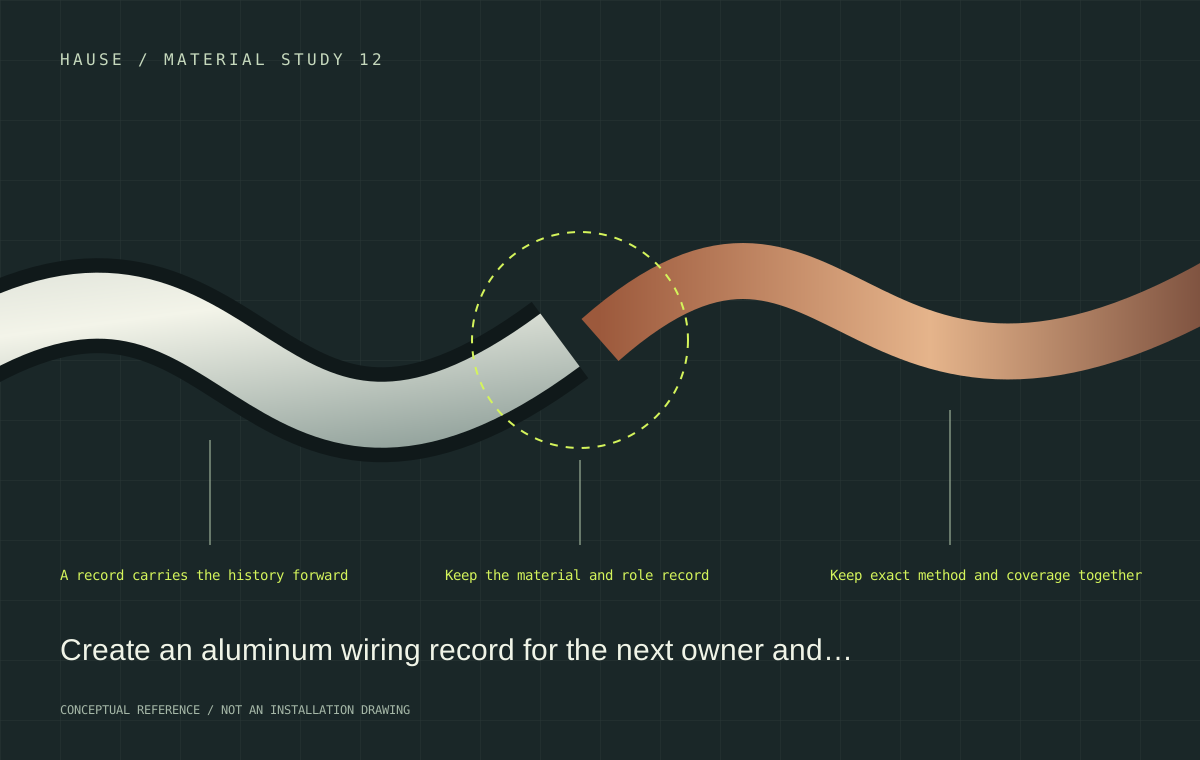
A record carries the history forward
An electrical history is valuable when it says exactly what was known and done. Aluminum identification, connection remediation, circuit replacement and device changes can occur across many years and contractors. A clear file reduces the risk that the next project relies on a vague recollection.
The file is a collection of evidence, not a new certificate. Keep the original professional documents and use an index to make them readable. Do not rewrite a scoped finding into a broader assurance.
A future owner or electrician should be able to distinguish original material, repairs and replacements without guessing from a visible device.
Keep the material and role record
Record the source of identification, date, locations and limitations. Separate branch circuits, feeders and service equipment where the professional identified them. Mark unassessed areas as unassessed, not unknown areas assumed safe.
Attach prior assessment findings and the renovation history that affects the wiring. A new panel, a kitchen renovation and a device project should remain separate events unless records establish a combined scope.
Photographs supplied by the professional should retain location and date. A loose folder of electrical photographs can look detailed while still failing to explain coverage.
Keep exact method and coverage together
For remediation, retain the contractor’s method or product description and the location schedule. Identify what was retained, repaired and replaced. If several methods exist, show their respective locations and dates.
Keep relevant equipment documents with the project. The method record can help a future professional recognize the history when a device is changed or a circuit is extended.
A broad invoice label should not be expanded beyond the documented scope. If the record is incomplete, note the missing detail and request a professional assessment where needed.
Update the record when something changes
When a future device or circuit project occurs, add the new scope, method and completion records. Preserve the earlier history unless the new professional establishes that it has been superseded. Do not erase retained aluminum information simply because the latest invoice mentions copper.
For a sale, share the appropriate project records while protecting personal and account information. The buyer can then review actual evidence and its limitations with their advisors.
Use the passport planner to create an editable index of known facts and missing records. It does not inspect the property, certify the installation or promise insurance acceptance.
Do not open or handle energized electrical equipment, remove devices to identify conductors, or attempt a connection repair from this guide. Have the appropriate electrical professional assess the installation under the local permit and inspection rules. Active heat, smoke, arcing or another immediate hazard needs emergency action rather than a website request.
Questions / Direct answers
Common questions
Is the wiring passport a safety certificate?
Should old repair records be discarded after a renovation?
What is the most useful missing-record note?
References / Jurisdiction matters
Sources & further reading
Confirm the actual location, permit authority and equipment instructions before relying on a requirement. A source from another jurisdiction is identified for context.
- Aluminum wiring: Ontario homeowner guidanceElectrical Safety Authority (Ontario) · 2026-10-07
- Alberta electrical codes currently in forceGovernment of Alberta · 2026-10-07
- Edmonton residential electrical permitsCity of Edmonton · 2026-10-07
Do not open electrical equipment or work on energized systems. Permits, qualified trades and inspection requirements vary by location. This guide does not design an installation or certify existing equipment.